
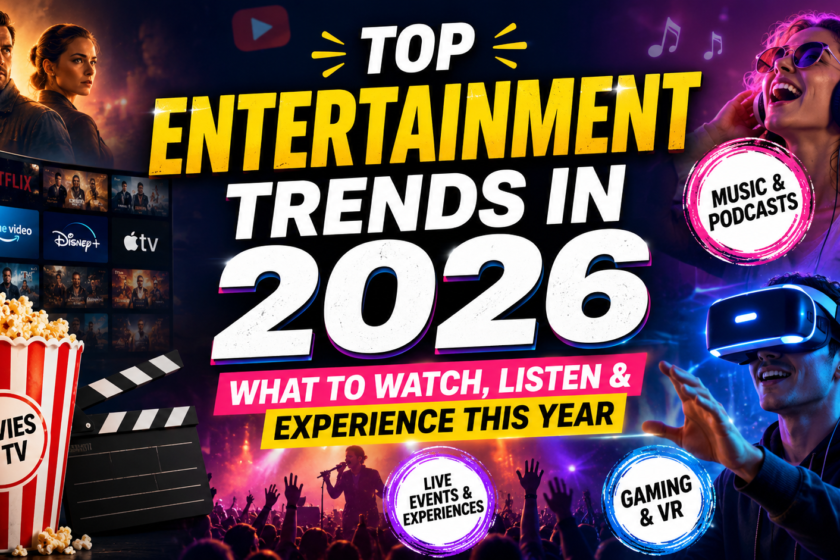
Entertainment is no longer confined to a television set or a movie theater. In 2026, the entertainment landscape has expanded into a massive, multi-platform universe that touches almost every aspect of our daily lives. From immersive live events to AI-curated playlists, the way we consume, create, and share entertainment has changed dramatically. Whether you are a casual viewer or a die-hard pop culture enthusiast, understanding the current entertainment trends will help you stay connected to the cultural pulse of the world.
The Streaming Wars Have Matured
For years, we watched streaming platforms battle for dominance. In 2026, the dust has settled, and the industry has reached a point of strategic maturity. The major players have stopped competing solely on volume and are now focusing on quality. Exclusive limited series, premium documentaries, and interactive storytelling experiences have become the primary weapons in the streaming arsenal.
Consumers are no longer subscribing to five or six services simultaneously. Instead, bundled packages and rotating subscriptions have become the norm. Many households subscribe to two or three services at a time and rotate every few months based on content calendars. This shift has forced streaming companies to release their strongest content throughout the year rather than clustering everything into one quarter.
Ad-supported tiers have also gained significant traction. Millions of viewers are willing to watch a few short advertisements in exchange for reduced subscription fees. This hybrid model has opened entertainment access to a wider economic demographic, making premium content more inclusive than ever before.
Live Events Are Bigger Than Ever
After years of pandemic-related restrictions and cautious reopenings, live entertainment has made a roaring comeback. Concerts, comedy tours, theater productions, and music festivals are drawing record-breaking crowds in 2026. Artists are investing heavily in stage production, using holographic displays, drone light shows, and augmented reality elements to create unforgettable experiences.
Comedy, in particular, has experienced a golden age. Stand-up specials are among the most-watched content on streaming platforms, and live comedy tours are selling out arenas that were once reserved for rock bands. The accessibility of comedy podcasts and social media clips has turned comedians into mainstream celebrities with loyal fan bases.
Theater has also evolved. Broadway and West End productions are incorporating digital elements into traditional stage performances. Hybrid shows that blend live acting with pre-recorded holographic sequences are attracting a younger audience that craves visual spectacle alongside emotional storytelling.
Social Media as Entertainment
Social media platforms have fully transitioned from communication tools to entertainment hubs. Short-form video content dominates user attention, with platforms competing to offer the most engaging creator tools. The average user now spends more time watching entertainment content on social media than on traditional television.
Creators have become the new celebrities. Individuals with smartphones and creative ideas are building audiences that rival those of established media companies. The creator economy in 2026 is worth hundreds of billions of dollars, and brands are allocating the majority of their advertising budgets to influencer partnerships rather than traditional commercials.
User-generated content has also blurred the line between consumer and creator. Challenges, duets, reaction videos, and remix culture have made entertainment a participatory experience. You are no longer just watching entertainment — you are part of it.
AI-Powered Personalization
One of the most significant shifts in entertainment is the role of artificial intelligence. AI algorithms have become incredibly sophisticated at understanding individual preferences. Your streaming homepage, music playlist, and social media feed are all curated by AI systems that analyze your behavior, mood, time of day, and even the weather outside.
While this level of personalization offers convenience, it also raises important questions about content diversity. Critics argue that AI-driven recommendations create echo chambers, limiting exposure to new genres, perspectives, and cultures. In response, several platforms have introduced “discovery modes” that intentionally serve content outside your usual preferences, encouraging exploration and broadening cultural horizons.
AI is also being used in content creation itself. Music producers use AI to generate beats, filmmakers use it for visual effects, and writers use it for brainstorming storylines. While purists debate the artistic merit of AI-assisted creation, there is no denying that it has lowered the barrier to entry for aspiring entertainers worldwide.
Gaming as Mainstream Entertainment
Gaming has firmly established itself as a core pillar of the entertainment industry. It is no longer a subculture — it is the culture. In 2026, gaming revenues surpass those of the film and music industries combined. Esports events fill stadiums, game soundtracks top music charts, and game narratives win storytelling awards.
The rise of cloud gaming means you no longer need an expensive console or PC to enjoy high-quality games. A stable internet connection and a basic device are all you need. This accessibility has expanded the gaming audience to include demographics that were previously untapped — older adults, casual mobile users, and families looking for shared entertainment experiences.
Podcasts and Audio Entertainment
Audio entertainment continues to thrive. Podcasts have become a primary source of entertainment, education, and companionship for millions of listeners. True crime, comedy, interview-based, and narrative fiction podcasts lead the charts, with some shows generating fan communities as passionate as those of major TV series.
Audiobooks are also experiencing a surge. The convenience of listening while commuting, exercising, or doing household chores has made audiobooks the preferred format for many readers. Publishers are investing in full-cast productions with sound effects and musical scores, transforming audiobooks from simple narrations into immersive audio experiences.
The Rise of Immersive Entertainment
Virtual reality and augmented reality are no longer futuristic concepts. In 2026, immersive entertainment experiences are accessible and affordable. VR cinemas, AR escape rooms, and mixed-reality theme park attractions are drawing crowds worldwide. These technologies allow audiences to step inside their favorite stories, interact with characters, and influence outcomes in real time.
Location-based entertainment centers that offer VR experiences have become popular weekend destinations for families and friend groups. The combination of physical movement, social interaction, and digital immersion creates a unique form of entertainment that cannot be replicated at home.
What This Means for You
The entertainment world in 2026 is vast, diverse, and deeply personal. You have more choices than any generation before you. The key is to be intentional about what you consume. Explore new genres, support independent creators, attend live events, and do not be afraid to step outside your algorithmic bubble. Entertainment is meant to inspire, challenge, and connect us — and in 2026, the possibilities are truly limitless.