
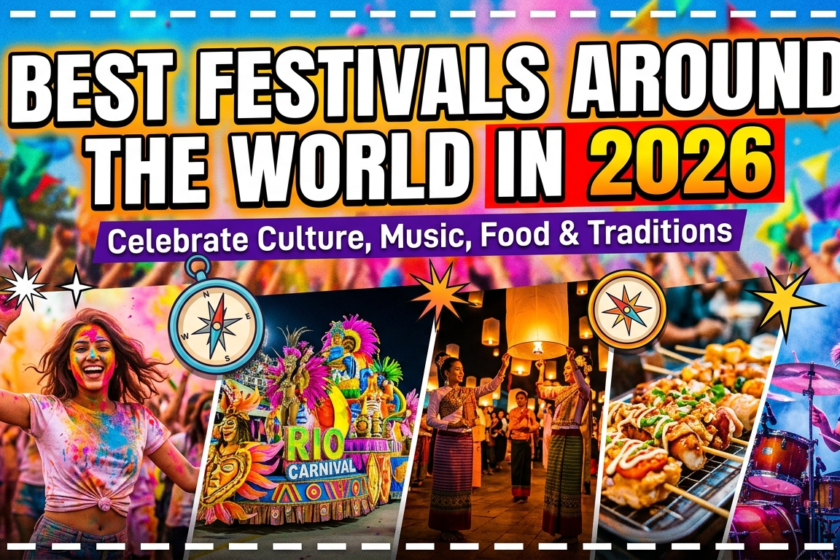
There is something magical about festivals. They bring people together across borders, languages, religions, and generations. They celebrate the things that make us human — our creativity, our traditions, our spirituality, our love for food, music, and dance. In 2026, festivals around the world are more vibrant, inclusive, and innovative than ever before. Whether you are a seasoned globe-trotter or someone planning your very first festival experience, this guide will take you on a journey through the most exciting celebrations happening this year.
Why Festivals Matter More Than Ever
In an increasingly digital and fragmented world, festivals serve as powerful reminders of our shared humanity. They create spaces where strangers become friends, where communities strengthen their bonds, and where cultural traditions are passed from one generation to the next.
Festivals also drive significant economic activity. Local vendors, artisans, hospitality providers, and transportation services all benefit from the influx of visitors. Many small towns and cities around the world have built their entire tourism identity around annual festivals, creating sustainable economic models rooted in culture and community.
In 2026, festivals are also embracing social responsibility. Environmental sustainability, inclusivity, accessibility, and mental health awareness are becoming standard priorities for festival organizers worldwide. From zero-waste food courts to sensory-friendly quiet zones, festivals are evolving to ensure that everyone can participate and enjoy the celebration.
Music Festivals: The Heartbeat of Global Culture
Music festivals remain the most popular category of festivals worldwide, and 2026 offers an incredible lineup of sonic celebrations across every genre and continent.
In Europe, legendary festivals continue to draw hundreds of thousands of music lovers. These iconic events blend world-class musical performances with art installations, workshops, and immersive experiences that transform open fields into temporary cities of creativity and connection.
North America’s festival scene is equally dynamic. Desert gatherings, urban block parties,
and lakeside retreats offer diverse atmospheres and lineups ranging from electronic and hip-hop to indie rock and folk. The rise of boutique festivals — smaller, curated events with limited capacity — has been a significant trend,
offering more intimate experiences and reducing the environmental footprint of large-scale events.
Asia and Africa are emerging as exciting new frontiers for music festivals. Events celebrating Afrobeats, K-pop, Bollywood music,
and traditional indigenous sounds are attracting international audiences and putting new destinations on the global festival map.
Cultural and Traditional Festivals
Beyond music, cultural festivals offer windows into the soul of communities around the world. These celebrations honor history, religion, harvests, seasons, and ancestral traditions that have endured for centuries.
Diwali, the Festival of Lights, illuminates homes and streets across India and the global Indian diaspora with oil lamps, fireworks, sweets, and prayers. In 2026,
Diwali celebrations are incorporating eco-friendly practices, with biodegradable decorations and reduced firecracker usage gaining widespread support.
Carnival celebrations in Brazil, Trinidad, and across the Caribbean continue to be among the most spectacular visual experiences on the planet. Elaborate costumes, pulsating samba rhythms, and massive street parades create an atmosphere of pure joy and liberation. These celebrations are deeply rooted in history, blending African, European,
and indigenous traditions into a unique cultural expression.
The Lunar New Year remains one of the most widely celebrated festivals globally, marking the beginning of a new year on the lunisolar calendar. From dragon dances in China to lantern festivals in Vietnam and family reunions across East Asia,
the Lunar New Year is a time of renewal, gratitude, and hope.
Holi, the Hindu festival of colors, has transcended its religious origins to become a global celebration of spring, love, and unity. In 2026, Holi events are taking place in parks and public spaces across Europe, North America, and Australia,
inviting people of all backgrounds to throw colored powders and dance together.
Food Festivals: A Feast for the Senses
Food festivals have grown dramatically in popularity, driven by the global obsession with culinary culture. In 2026, food festivals are not just about eating — they are immersive experiences that celebrate regional cuisines, innovative cooking techniques,
and the stories behind the dishes.
Street food festivals are thriving in cities worldwide. These events bring together local vendors and international food trucks, offering attendees the chance to taste everything from authentic Thai pad see ew to Mexican birria tacos to Japanese takoyaki — all in one location.
Farm-to-table festivals are connecting urban consumers with the agricultural communities that grow their food. These events feature cooking demonstrations using locally sourced ingredients,
workshops on sustainable farming, and opportunities to meet the farmers behind your meals.
Wine and craft beverage festivals continue to attract enthusiastic crowds. From the vineyards of France and Italy to the craft breweries of the Pacific Northwest and the sake breweries of Japan,
beverage festivals combine tasting experiences with education, live music, and scenic settings.
Spiritual and Wellness Festivals
A growing category in 2026 is spiritual and wellness festivals. These events focus on inner transformation, mindfulness, healing, and holistic well-being. They attract people seeking deeper meaning and connection in an increasingly fast-paced world.
Yoga festivals offer multi-day immersions featuring classes with renowned instructors, meditation sessions, sound healing workshops, and plant-based cuisine. These events are held in stunning natural settings — beaches, mountains, forests — that amplify the sense of peace and rejuvenation.
Burning Man-inspired gatherings focused on radical self-expression, community building, and art continue to attract adventurous souls. These events challenge participants to co-create their experience, fostering a sense of agency and belonging that is rare in everyday life.
Spiritual pilgrimages and sacred festivals — from the Kumbh Mela in India to the Day of the Dead in Mexico — continue to draw millions of participants who seek spiritual renewal and connection with ancestral traditions.
Planning Your Festival Experience in 2026
If you are planning to attend a festival this year, preparation is key. Start by researching the event thoroughly — understand the schedule, location, accommodation options, and what to bring. Many festivals now offer dedicated apps that help attendees navigate the event, discover activities,
and connect with fellow attendees.
Pack sustainably. Bring a reusable water bottle, eco-friendly sunscreen, and a compact bag for carrying essentials. Many festivals are implementing strict sustainability guidelines, so check in advance what items are permitted and what should be left at home.
Prioritize your well-being. Stay hydrated, pace yourself, wear comfortable footwear, and do not hesitate to take breaks in quiet zones. Festivals are marathons,
not sprints — the goal is to enjoy every moment without burning out.
The Festival Spirit Lives On
Festivals in 2026 are more than events — they are movements. They celebrate diversity, foster connection,
and create memories that last a lifetime. Whether you find yourself dancing in a crowd of thousands, savoring a dish from a distant culture, meditating at sunrise, or simply sharing a laugh with a stranger, the festival experience has the power to change you. So go explore, celebrate,
and let the world’s festivals remind you of the beauty that exists when people come together.