
Starting a skincare routine can feel confusing in the beginning.
There are so many products available online and offline.
You may see face wash, cleanser, toner, serum, moisturizer, sunscreen, scrub, face mask, and many other products.
Because of this, many beginners do not know where to start.
The truth is simple.
A good skincare routine does not need to be complicated.
You do not need ten different products to take care of your skin.
If you are just starting, you only need a few basic steps.
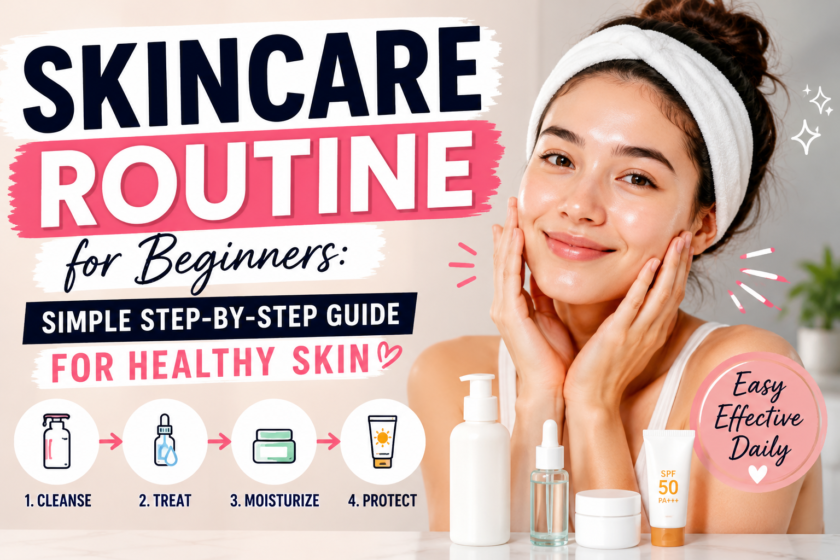
A simple skincare routine for beginners should focus on cleansing, moisturizing, and sun protection.
Once your skin gets used to these basic steps, you can slowly add other products if needed.
In this article, you will learn a simple skincare routine, product selection tips, common mistakes, FAQs, and a complete beginner-friendly buying guide.
Why Skincare Is Important
Skincare is important because your skin is exposed to dust, pollution, sweat, sunlight, and dirt every day.
If you do not clean and protect your skin properly, it may look dull, dry, oily, or tired.
A regular skincare routine helps keep your skin clean and fresh.
It can also help improve skin texture and comfort.
However, skincare is not about becoming fair or changing your natural skin tone.
Good skincare is about keeping your skin healthy, clean, hydrated, and protected.
A beginner should not run after every trending product.
Instead, the goal should be to build a routine that is simple, safe, and easy to follow daily.
That is why a skincare routine for beginners should always start with the basics.
Understanding Your Skin Type
Before buying skincare products, you should understand your skin type.
Different skin types need different products.
Using the wrong product can make your skin feel oily, dry, or irritated.
Normal Skin
Normal skin is usually balanced.
It is not too oily and not too dry.
People with normal skin can use gentle and basic skincare products.
Oily Skin
Oily skin produces more oil, especially around the forehead, nose, and chin.
This area is also called the T-zone.
People with oily skin should choose lightweight and non-greasy products.
Dry Skin
Dry skin may feel rough, tight, or flaky.
People with dry skin should use hydrating and creamy products.
A good moisturizer is very important for dry skin.
Combination Skin
Combination skin means some areas are oily and some areas are dry.
Usually, the T-zone is oily and the cheeks are dry.
Combination skin needs balanced products that are not too heavy or too drying.
Sensitive Skin
Sensitive skin may react easily to strong products, fragrance, or harsh ingredients.
People with sensitive skin should use gentle products and avoid trying too many new items at once.
Basic Skincare Routine for Beginners
A beginner skincare routine should be simple.
You can start with three main steps.
These steps are cleansing, moisturizing, and sunscreen.
Step 1: Cleanser
A cleanser helps remove dirt, sweat, oil, and pollution from your face.
Use a gentle face wash or cleanser according to your skin type.
Do not use harsh soaps on your face because they may make your skin dry.
Wash your face twice a day.
Once in the morning and once at night.
If your skin is very dry, you can use a mild cleanser that does not make your face feel tight.
If your skin is oily, choose a gel-based or oil-control cleanser.
But avoid over-cleansing because it can disturb your skin barrier.
Step 2: Moisturizer
Many beginners think moisturizer is only for dry skin.
This is not true.
Every skin type needs moisturizer.
Moisturizer helps keep your skin hydrated and comfortable.
If you have oily skin, choose a lightweight gel moisturizer.
If you have dry skin, choose a cream-based moisturizer.
If you have sensitive skin, choose a fragrance-free moisturizer.
Apply moisturizer after cleansing your face.
It helps lock in hydration and keeps the skin soft.
Step 3: Sunscreen
Sunscreen is one of the most important skincare products.
It helps protect your skin from harmful sun exposure.
You should use sunscreen during the daytime, even if you are indoors near windows or going out for a short time.
Choose a sunscreen that feels comfortable on your skin.
If your skin is oily, use a lightweight or gel sunscreen.
If your skin is dry, use a moisturizing sunscreen.
Apply sunscreen as the last step of your morning routine.
If you are outside for many hours, reapply it as needed.
A skincare routine for beginners is incomplete without sunscreen.
Morning Skincare Routine
Your morning skincare routine should be simple and quick.
It should prepare your skin for the day and protect it from sunlight, pollution, and dust.
Morning Routine Steps
First, wash your face with a gentle cleanser.
Second, apply a light moisturizer.
Third, apply sunscreen properly.
These three steps are enough for most beginners.
If you want, you can add a lip balm to keep your lips soft.
Do not apply too many products in the morning.
A simple routine is easier to follow regularly.
Night Skincare Routine
Your night skincare routine helps clean your skin after a long day.
At night, you should focus on removing dirt, sweat, sunscreen, makeup, and pollution from your face.
Night Routine Steps
First, cleanse your face properly.
If you use makeup or heavy sunscreen, you can use micellar water or cleansing balm before face wash.
Second, apply moisturizer.
Third, use any treatment product only if your skin needs it.
For beginners, cleanser and moisturizer are enough at night.
You can add serums later after understanding your skin better.
Optional Skincare Products for Beginners
Once you are comfortable with the basic routine, you can slowly add optional products.
Do not add everything at once.
Introduce one product at a time.
Toner
A toner is optional.
Some toners help hydrate the skin.
Some toners are made for oily or acne-prone skin.
If your cleanser and moisturizer are working well, you may not need a toner.
Serum
Serums are used for specific skin concerns.
For example, some people use vitamin C serum for dullness.
Some use niacinamide serum for oil control.
Some use hyaluronic acid serum for hydration.
Beginners should use serums carefully and start slowly.
Exfoliator
Exfoliation helps remove dead skin cells.
But too much exfoliation can irritate the skin.
Beginners should not scrub their face harshly.
If you want to exfoliate, start with once a week.
Avoid physical scrubs with rough particles if your skin is sensitive.
Face Mask
Face masks can be used occasionally.
They are not necessary for everyone.
Hydrating masks can help dry skin.
Clay masks can help oily skin.
Use masks only according to your skin needs.
Buying Guide: How to Choose Skincare Products
Buying skincare products can be confusing for beginners.
Use this buying guide before purchasing anything.
Choose According to Skin Type
Always choose products according to your skin type.
Oily skin needs lightweight products.
Dry skin needs moisturizing products.
Sensitive skin needs gentle and fragrance-free products.
Start With Basic Products
Do not buy too many products in the beginning.
Start with cleanser, moisturizer, and sunscreen.
These three products are the base of a good skincare routine.
Check Ingredients
Read the ingredient list before buying.
Avoid products with too many harsh ingredients if your skin is sensitive.
If a product causes burning, itching, or redness, stop using it.
Read Reviews
Before buying online, read customer reviews.
Check reviews from people with similar skin type.
Also check product texture, fragrance, and performance.
Check Expiry Date
Always check expiry date before using skincare products.
Expired products may not work properly and can irritate the skin.
Patch Test First
Before applying a new product on your full face, do a patch test.
Apply a small amount on your jawline or behind your ear.
Wait for some time to see if your skin reacts.
Why Patch Testing Matters
Patch testing helps reduce the risk of irritation.
It is especially important for sensitive skin.
It is also useful when trying serums, exfoliators, or new active ingredients.
Common Skincare Mistakes Beginners Should Avoid
Many beginners make mistakes because they follow random advice from social media.
Here are some common mistakes to avoid.
Using Too Many Products
Using many products at the same time can confuse your skin.
It can also make it hard to know which product is causing problems.
Start simple and build slowly.
Skipping Sunscreen
Many people use face wash and moisturizer but skip sunscreen.
This is a big mistake.
Sunscreen is important for daytime protection.
Changing Products Too Quickly
Skincare takes time.
Do not change your products every few days.
Use a product consistently unless it is irritating your skin.
Overwashing the Face
Washing your face too many times can make your skin dry or irritated.
Twice a day is enough for most people.
Using Harsh Scrubs
Harsh scrubs can damage the skin barrier.
Use gentle exfoliation and avoid rubbing your face aggressively.
Simple Weekly Skincare Plan
A weekly plan can help beginners stay consistent.
Daily Morning
Use cleanser, moisturizer, and sunscreen.
Daily Night
Use cleanser and moisturizer.
Once a Week
Use a gentle exfoliator or face mask if needed.
Whenever Needed
Use lip balm, hand cream, or extra moisturizer if your skin feels dry.
Beginner Tip
Consistency is more important than expensive products.
A simple routine followed daily is better than a complicated routine used only once in a while.
FAQs
1. What is the best skincare routine for beginners?
The best skincare routine for beginners includes three basic steps: cleanser, moisturizer, and sunscreen.
At night, you can use cleanser and moisturizer.
2. Should beginners use serum?
Beginners do not need serum in the beginning.
First, build a basic routine.
After that, you can add serum according to your skin concern.
3. Is sunscreen necessary every day?
Yes, sunscreen is important during the daytime.
It helps protect your skin from sun exposure.
Apply it as the last step of your morning routine.
4. How many times should I wash my face?
Most people can wash their face twice a day.
Once in the morning and once at night.
Avoid overwashing because it may dry out your skin.
5. Can oily skin use moisturizer?
Yes, oily skin also needs moisturizer.
Choose a lightweight, gel-based, or non-greasy moisturizer.
6. How do I know my skin type?
Wash your face and wait for some time without applying anything.
If your face feels oily, you may have oily skin.
If it feels tight or flaky, you may have dry skin.
If only your T-zone is oily, you may have combination skin.
7. What should I do if a product irritates my skin?
Stop using the product immediately.
Wash your face with plain water and use a gentle moisturizer.
If irritation continues, consult a dermatologist.
Conclusion
A good skincare routine for beginners does not need to be difficult or expensive.
You only need to start with the right basic steps.
Cleanse your face to remove dirt and oil.
Use moisturizer to keep your skin hydrated.
Apply sunscreen during the daytime to protect your skin.
Once your skin is comfortable with this basic routine, you can slowly add optional products like toner, serum, exfoliator, or face mask.
Do not copy every trend blindly.
Choose products according to your skin type and needs.
Always patch test new products and avoid using too many items at once.
With consistency, patience, and smart product selection, you can build a simple skincare routine that keeps your skin fresh, clean, and healthy.