
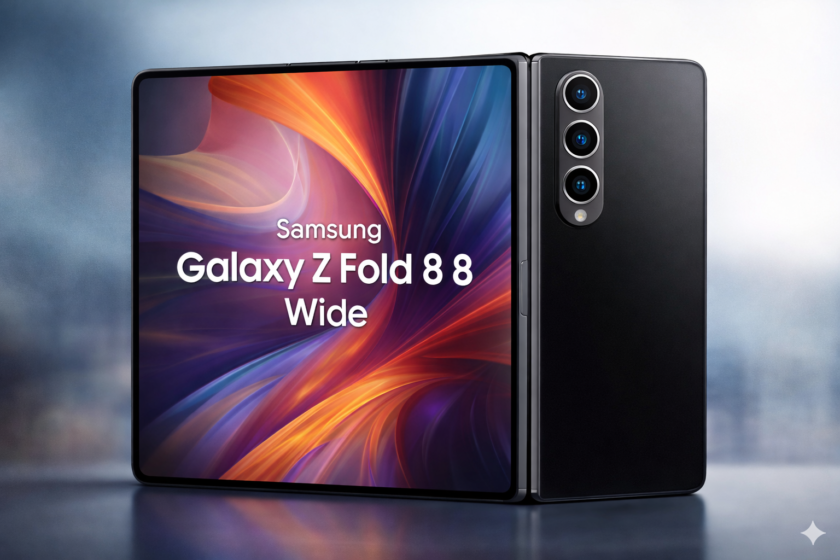
Foldable phones are no longer sci‑fi toys. They’re slowly becoming the next big shift in how we use our smartphones. And now, Samsung is getting ready to shake things up again with a new twist on its flagship foldable lineup: a wider, more tablet‑like Galaxy Z Fold that many are already calling the Samsung Galaxy Z Fold 8 ‘Wide’ or simply the Wide Fold.
What’s the big deal? It’s not just another yearly refresh. This model changes the shape, the way you use the screen, and even the timing of Samsung’s entire foldable strategy. On top of that, it looks like Samsung wants to get ahead of Apple’s long‑rumored iPhone Fold by moving the launch earlier than originally expected.
Let’s break down what this new Wide Fold is, when it’s likely to arrive, how it compares with the Galaxy Z Fold 7, and why Apple’s entrance into foldables might be forcing Samsung to play offense instead of defense.
Samsung Wide Fold: A New Take On The Galaxy Z Fold Line
The Wide Fold isn’t just a Galaxy Z Fold 8 with a new name. Think of it as a cousin rather than a twin.
Instead of sticking to the tall, narrow “remote control” shape we’ve seen with previous Galaxy Z Fold models, Samsung is reportedly working on a wider, more balanced device that behaves much more like a compact tablet that folds in half.
The idea is simple but powerful:
If you’re paying for a big foldable screen, shouldn’t it actually feel like a tablet when you open it?
Updated Release Date: Samsung Is Moving The Launch Forward
Originally, reports suggested Samsung would wait until fall 2026 to launch this new Wide Fold. That would have lined it up directly against Apple rumored first‑generation iPhone Fold, which is also expected to feature a book‑style design.
However, a newer leak from Ice Universe, one of the most reliable Samsung tipsters, suggests something very different:
The Samsung Galaxy Z Fold 8 Wide is now expected to launch in July instead of the fall.
Why July? Because that’s when Samsung traditionally holds its big summer Galaxy Unpacked event, where it usually unveils:
-
The new Galaxy Z Fold
-
The new Galaxy Z Flip
-
New Galaxy Watch models
-
Possibly new Galaxy Buds and other accessories
By moving the Wide Fold into this July window, Samsung gains a clear advantage: it can beat Apple’s foldable to market by a few months, set the narrative for premium foldables, and lock in early adopters before they even see what Apple has to offer.
Why The Earlier Launch Actually Makes Sense
At first glance, changing the launch window might look like a minor scheduling tweak. But in the smartphone world, timing is everything.
Here’s why a July release is a smart play for Samsung:
-
Aligns with existing Unpacked cycle. Samsung already uses July to showcase its foldables. Adding the Wide Fold there keeps marketing cleaner and more focused.
-
Gets ahead of Apple. If Apple really is planning a foldable with a similar wide design, Samsung doesn’t want to play catch‑up. Launching first lets Samsung frame the conversation.
-
Maximizes the back‑to‑school and holiday window. A July launch gives Samsung months to push sales before Apple’s devices and the usual September iPhone hype kick in.
-
Builds momentum for the whole foldable portfolio. With the Galaxy Z Fold 8, Z Flip 8, and Wide Fold potentially sharing the spotlight, Samsung can reinforce its image as the leader in foldable innovation.
In short, this isn’t just about dates. It’s about owning the foldable story for 2026.
Galaxy Wide Fold vs Galaxy Z Fold 7: The Shape Shift
So what actually makes the Wide Fold different from the Galaxy Z Fold 7?
Let’s start with the numbers floating around from Korean outlet ET News and other leaks:
-
Inner display (unfolded): Around 7.6 inches
-
Cover screen (folded): Around 5.4 inches
-
Aspect ratio: Around 4:3 on the inner display
Now, the Galaxy Z Fold 7 is expected to continue Samsung’s usual formula:
Tall, narrow outer display + more squarish inner display.
The Wide Fold, on the other hand, is rumored to take a different approach:
-
Wider, more landscape‑friendly inner screen
-
Shorter, more natural outer display
-
4:3 aspect ratio that feels closer to a small tablet like an iPad mini
Think about using a regular Galaxy Z Fold: when you unfold it, you get a big display, sure, but it often feels a bit too square. Watching a movie gives you big black bars. Many apps don’t fill the screen nicely unless they’re optimized. It’s powerful, but not always comfortable.
The Wide Fold seems designed to fix that feeling.
Why The 4:3 Aspect Ratio Matters More Than You Think
Aspect ratio sounds like boring tech jargon, but it actually changes everything about how a device feels in your hand and how apps look.
A 4:3 aspect ratio is closer to a traditional tablet screen. It’s the same general shape that made iPads so comfortable for:
-
Reading
-
Web browsing
-
Multitasking with split‑screen apps
-
Casual gaming
Now imagine that shape in your pocket, folding neatly in half.
On the Wide Fold, a 4:3 inner display could mean:
-
Better video experience. Movies and shows won’t be perfect edge‑to‑edge, but a wider layout means less annoying black bars and a more natural, cinema‑like feel compared to current near‑square foldables.
-
More usable app layouts. Whether you’re scrolling Instagram, editing documents, or juggling email and chat, a 4:3 screen gives apps more horizontal room to breathe.
-
More comfortable typing. A wider layout makes the on‑screen keyboard feel less cramped and more like a small laptop keyboard when held in landscape.
In other words, the Wide Fold isn’t just bigger—it’s shaped better for how we actually use big screens.
Is The Wide Fold A Tablet Replacement?
Here’s the million‑dollar question:
If the Wide Fold gives you a tablet‑like experience in your pocket, do you still need an actual tablet?
For a lot of people, probably not.
Consider what most users do on their tablets:
-
Watch YouTube, Netflix, or sports
-
Read articles, books, or documents
-
Browse the web and social media
-
Use email and productivity apps
-
Casual gaming or cloud gaming
A 7.6‑inch, 4:3 foldable display can handle all of that comfortably. Now add the fact that:
-
You always have your phone with you
-
You don’t need to carry a second device
-
All your data, messages, and apps are already there
Suddenly, the argument for a separate tablet becomes a lot weaker.
That doesn’t mean tablets will disappear overnight. Power users, artists, and binge‑watchers might still want a 10–12 inch display. But for many, a device like the Galaxy Z Fold 8 Wide could become their phone, mini‑tablet, and even light productivity machine all in one.
Fixing One Of Samsung’s Biggest Foldable Complaints
If you’ve ever used or even just tried a Galaxy Z Fold in a store, you might have noticed something:
Watching a YouTube video on it doesn’t feel dramatically better than watching it on a normal phone.
Why? Because the screen is big but not optimized for video. You get:
-
A lot of unused space around the video
-
Black bars due to the almost square shape
-
A sense that you’re not getting your money’s worth from that massive panel
The Wide Fold’s wider, tablet‑like design is a direct response to that criticism.
With a 4:3 inner screen:
-
Landscape videos can use more of the screen’s width.
-
Vertical videos (like Shorts or Reels) still look good.
-
You don’t feel like you’re watching phone content on a slightly bigger phone‑shaped display.
Samsung is basically saying:
“If you’re going to buy a foldable for media, we’ll give you a proper mini‑tablet for media.”
The Apple Factor: Why 2026 Matters For Foldables
Let’s talk about the elephant in the room: Apple.
Rumors about an iPhone Fold or some kind of foldable Apple device have been circulating for years. The latest whispers suggest Apple could finally step in with:
-
A book‑style foldable
-
A wider inner display
-
A 4:3‑ish aspect ratio
-
A design that feels familiar to iPad users
Samsung’s Wide Fold looks suspiciously aligned with that idea. Coincidence? Probably not.
Here’s what’s likely happening behind the scenes:
-
Samsung knows Apple’s first foldable will instantly legitimize the category for millions of hesitant buyers.
-
The company also knows it must offer something that feels one step ahead, not one step behind.
-
By launching a Wide Fold earlier in 2026, Samsung is trying to define what a “proper” foldable should look like before Apple even shows its hand.
In short, the Wide Fold is not just a new product—it’s a preemptive strike.
Where The Galaxy Z Fold 8 (Standard) Fits Into This
With all this talk of the Wide Fold, you might be wondering:
What happens to the regular Galaxy Z Fold 8?
Most likely, Samsung will position the foldable lineup this way:
-
Galaxy Z Fold 8 (standard):
-
Keeps the taller, slimmer form factor
-
Better one‑handed use
-
Great for reading, multitasking, note‑taking
-
Ideal for people who want a phone‑first foldable
-
-
Galaxy Z Fold 8 Wide / Wide Fold:
-
Wider, more tablet‑style experience
-
Optimized for media consumption and gaming
-
Better for watching videos, browsing, and casual work
-
Ideal for people who want a tablet‑first foldable
-
This two‑track strategy lets Samsung satisfy both types of users:
-
Those who want a phone that can become a bigger screen
-
Those who want a tablet that can still fit in their pocket
It’s like offering both a coupe and an SUV in the same luxury car lineup.
What We Can Expect From The Hardware (Beyond The Screen)
Even though most leaks so far focus on the Wide Fold’s design and aspect ratio, we can safely expect Samsung to bring its usual flagship‑level hardware game. While details will only be confirmed at launch, it’s reasonable to anticipate:
-
Latest flagship processor (likely a next‑gen Exynos or Snapdragon, depending on region)
-
High refresh rate displays (120 Hz on both inner and outer screens)
-
Refined hinge mechanism with improved durability and less visible crease
-
Premium camera setup, on par with or close to the Galaxy S series
-
Large battery with faster charging, to handle the bigger inner screen
-
S Pen support or strong stylus integration for productivity users
The key, however, won’t just be raw specs. It will be software optimization:
-
Smarter multitasking on the wider display
-
Better app scaling for 4:3
-
More intuitive split‑screen and floating window behavior
-
Seamless transitions when moving apps between the cover screen and inner display
If Samsung nails the software, the Wide Fold could feel less like a gimmick and more like a true all‑in‑one mobile workstation and entertainment hub.
Will The Wide Fold Finally Make Foldables Mainstream?
Foldable are still a niche. They’re expensive, a bit fragile, and sometimes feel like tech experiments rather than must‑have devices.
The Wide Fold has a chance to change that story for a few reasons:
-
Clear utility. A tablet‑style experience in your pocket is easier to understand and justify than a slightly taller phone.
-
Better media experience. People spend hours watching videos on their phones; improving that experience is a big selling point.
-
Earlier launch. Being early in 2026 with a bold new form factor lets Samsung catch the curiosity wave before Apple enters.
-
Multiple form factors. Offering both a standard Fold 8 and a Wide Fold lets users pick what actually suits their lifestyle.
Will everyone suddenly ditch their slab phone? No. But the Wide Fold could be the device that makes more people say, “Actually maybe a foldable would work for me.”
Conclusion
The Samsung Galaxy Z Fold 8 Wide (or Galaxy Wide Fold) is shaping up to be much more than a minor iteration. It’s a strategic move on multiple fronts:
-
It adjusts the shape of Samsung’s foldables to better match how people actually use large screens—especially for video and media.
-
It shifts the launch timeline to July, letting Samsung ride its traditional Unpacked wave and get ahead of Apple’s rumored iPhone Fold.
-
It creates a new category within Samsung’s own lineup: a foldable that feels like a true mini‑tablet in your pocket, not just a stretched phone.